Neil Matthews

Blog

  • How to Add an FAQ Section to Your Store Using Elementor

    How to Add an FAQ Section to Your Store Using Elementor

    Introduction – How to Add an FAQ Section to Your Store Using Elementor
    Enhancing customer satisfaction and providing self-service options are essential elements of running a successful online store. Adding an FAQ (Frequently Asked Questions) section to your website can address common customer queries and alleviate support requests, leading to a smoother shopping experience. In this blog post, we will guide you through the process of creating an FAQ section using Elementor, a popular drag-and-drop page builder for WordPress.

    Why Use Elementor for Your FAQ Section?
    Elementor offers a user-friendly interface that allows you to design and customize your website without any coding knowledge. With its intuitive features and extensive template library, Elementor provides a convenient solution for incorporating an FAQ section into your online store. Let’s dive into the step-by-step process.

    Step 1: Install and Activate Elementor:
    Start by installing and activating the Elementor plugin on your WordPress website. Navigate to the “Plugins” section in your WordPress dashboard, click on “Add New,” search for “Elementor,” and install the plugin.

    Step 2: Create a New Page or Edit an Existing One:
    Once Elementor is activated, go to “Pages” in your WordPress dashboard and either create a new page or edit an existing one where you want to add the FAQ section.

    Step 3: Launch Elementor Editor:
    Click on the “Edit with Elementor” button to launch the Elementor editor for the selected page. This will open up a visual interface where you can design and customize your page.

    Step 4: Add a Section:
    In the Elementor editor, click on the “+ Add New Section” button to create a new section for your FAQ content. You can choose the number of columns and adjust the layout according to your preference.

    Step 5: Add the FAQ Widget:
    Within the newly created section, click on the “+ Add Widget” button. In the Elementor widget library, search for the “Accordion” or “Toggle” widget. These widgets allow you to display your FAQs in an expandable format.

    Step 6: Customize the FAQ Widget:
    After adding the FAQ widget, you can start populating it with your questions and answers. Enter the frequently asked questions as the widget titles and provide the corresponding answers in the widget content fields. Customize the styling, font, colors, and any other design elements to match your store’s aesthetics.

    Step 7: Arrange and Organize FAQs:
    Drag and drop the FAQ widgets within the section to arrange them in the desired order. You can also add additional sections and widgets to categorize your FAQs or add supplementary information.

    Step 8: Publish Your Page:
    Once you have designed and organized your FAQ section, click on the “Publish” button to make your changes live on your website. You can then view your new FAQ section and make any further adjustments if needed.

    Conclusion – How to Add an FAQ Section to Your Store Using Elementor
    With the help of Elementor, adding an FAQ section to your online store becomes a seamless process. The visual drag-and-drop interface and customization options offered by Elementor empower you to design an informative and visually appealing FAQ section that aligns with your store’s branding. By implementing a self-service resource, you can enhance customer satisfaction and reduce support inquiries. Leverage the power of Elementor and make your WooCommerce store a more user-friendly and engaging destination for shoppers.

    We’ve got a lot of experience in Elementor, why not hire us as your WooCommerce webmaster

    Photo by Ana Municio on Unsplash.

  • PLugins To Add an FAQ Section to Your WooCommerce Store

    PLugins To Add an FAQ Section to Your WooCommerce Store

    Introduction – Plugins To Add an FAQ Section to Your WooCommerce Store
    Providing clear and comprehensive information to customers is vital for building trust and ensuring a positive shopping experience. Adding an FAQ (Frequently Asked Questions) section to your WooCommerce store can help address common inquiries, alleviate concerns, and enhance customer satisfaction. In this blog post, we will explore the benefits of incorporating an FAQ section into your e-commerce website and introduce some popular plugins that can simplify the process.

    The Importance of an FAQ Section:
    An FAQ section serves as a self-service resource for customers, offering answers to common questions they may have about your products, shipping, returns, or any other relevant topics. By providing readily accessible information, you can reduce customer support requests and empower shoppers to make informed decisions. Additionally, an FAQ section can contribute to improved SEO, as search engines often prioritize informative and well-structured content.

    Exploring FAQ Plugin Options:
    To streamline the process of adding an FAQ section to your WooCommerce store, several plugins are available that offer user-friendly interfaces and customizable features. Let’s explore three popular options:

    1. FAQ Plugin by WebHive:
      The FAQ Plugin by WebHive is a versatile solution that allows you to create and manage multiple FAQ sections with ease. It offers customizable templates, accordion-style display options, and the ability to categorize and tag FAQs. This plugin also provides various styling options to ensure seamless integration with your store’s design.

    Learn more about the FAQ Plugin by WebHive

    1. Ultimate FAQ by Etoile Web Design:
      Ultimate FAQ is a powerful plugin that enables you to create an interactive and user-friendly FAQ section. With this plugin, you can organize FAQs into categories, use accordion or toggle layouts, enable live search functionality, and even integrate FAQs with WooCommerce products. It also supports rich media content, such as images and videos, to enhance the visual appeal of your FAQs.

    Learn more about Ultimate FAQ by Etoile Web Design

    1. WP FAQ Manager by MyThemeShop:
      WP FAQ Manager offers a straightforward yet feature-rich solution for managing your FAQ section. It provides an intuitive interface to create and organize FAQs, customize the display style, and even add ratings and feedback functionality. The plugin also supports schema markup, which helps search engines understand and display your FAQs more effectively in search results.

    Learn more about WP FAQ Manager by MyThemeShop

    Implementing an FAQ Section:
    After selecting the FAQ plugin that best suits your needs, follow these general steps to implement an FAQ section on your WooCommerce store:

    1. Install and activate the chosen FAQ plugin from the WordPress Plugin Repository.
    2. Access the plugin settings and configure the display options, styling, and any other desired customization.
    3. Create FAQ categories and populate them with relevant questions and answers.
    4. Embed the FAQ section into your website by using a shortcode, widget, or custom page template provided by the plugin.
    5. Continuously update and expand your FAQ section as you receive new questions or identify areas where additional information would be beneficial.

    Conclusion – Plugins To Add an FAQ Section to Your WooCommerce Store
    Adding an FAQ section to your WooCommerce store offers numerous benefits, including improved customer experience, reduced support requests, and enhanced SEO visibility. By incorporating a user-friendly FAQ plugin, such as the FAQ Plugin by WebHive, Ultimate FAQ by Etoile Web Design, or WP FAQ Manager by MyThemeShop, you can simplify the process and create a comprehensive resource for your customers. Take the initiative to address common inquiries proactively, and watch as your WooCommerce store thrives with increased customer satisfaction and engagement.

    We use the elementor FAQ block rather than a plugin for our FAQs many themes also allow FAQs.

    Photo by Emily Morter on Unsplash

  • Enhancing User Engagement: Change the WooCommerce Add to Cart Label to “Login” for Non-Logged-In Users

    Enhancing User Engagement: Change the WooCommerce Add to Cart Label to “Login” for Non-Logged-In Users

    Introduction – Change the WooCommerce Add to Cart Label to “Login” for Non-Logged-In Users
    Creating a personalized and seamless shopping experience is crucial for the success of your online store. WooCommerce, the renowned WordPress plugin for e-commerce, offers extensive customization options to tailor your website. If you’re looking to encourage non-logged-in users to create an account or log in, changing the “Add to Cart” label to “Login” can be an effective strategy. In this blog post, we’ll guide you through the process of modifying the label and adding a link to the login page, elevating user engagement and potentially boosting conversions.

    Step-by-Step Guide to Changing the “Add to Cart” Label to “Login” and Adding a Login Page Link:

    Step 1: Access Your WordPress Dashboard:
    Log in to your WordPress admin panel using your credentials. Once logged in, navigate to the “Plugins” tab and click on “Add New.” Search for the “Code Snippets” plugin and install it. This plugin allows you to add custom code snippets without directly modifying your theme files.

    Step 2: Create a New Code Snippet:
    After installing and activating the “Code Snippets” plugin, access the “Snippets” section from the WordPress sidebar menu. Click on “Add New” to create a new code snippet.

    Step 3: Add the Custom Code:
    In the code snippet editor, provide a descriptive title for your snippet, such as “Change Add to Cart Label to Login with Login Page Link.” Copy and paste the following code into the code box:

    add_filter('woocommerce_product_single_add_to_cart_text', 'change_add_to_cart_label');
    add_filter('woocommerce_product_add_to_cart_text', 'change_add_to_cart_label');
    
    function change_add_to_cart_label($label) {
        if (!is_user_logged_in()) {
            $login_url = wp_login_url(get_permalink());
            $label = '<a href="' . $login_url . '">' . __('Login', 'woocommerce') . '</a>';
        }
        return $label;
    }

    This code utilizes two WooCommerce filters, ‘woocommerce_product_single_add_to_cart_text’ and ‘woocommerce_product_add_to_cart_text’, to modify the label of the “Add to Cart” button. It also includes the login page link to redirect non-logged-in users to the appropriate page.

    Step 4: Save and Activate the Code Snippet:
    Once you have added the code, click on the “Save Changes and Activate” button to save the snippet and activate it on your website.

    Step 5: Test the Modifications:
    To see the changes in action, visit your product pages while logged out or using an incognito browser window. The “Add to Cart” button should now display “Login” as a clickable link. Clicking on the link will redirect non-logged-in users to the login page.

    Conclusion – Change the WooCommerce Add to Cart Label to “Login” for Non-Logged-In Users
    By changing the “Add to Cart” label to “Login” and adding a login page link, you can encourage non-logged-in users to create an account or log in, enhancing their engagement with your WooCommerce store. Utilizing the “Code Snippets” plugin simplifies the process, ensuring that your theme files remain intact. Customize your online store, elevate user engagement, and potentially boost conversions by implementing this straightforward modification. Embrace the power of personalization and create a seamless shopping experience for your customers.

    Click here to learn more about the Code Snippets plugin

    If you need custom code snippets for your WooCommece store, that’s something we can do as part of your WooCommerce support plan.

    Photo by Micah Williams on Unsplash

  • A Comprehensive Visual Guide to WooCommerce Hooks on the Checkout Page

    A Comprehensive Visual Guide to WooCommerce Hooks on the Checkout Page

    Introduction – Visual Guide to WooCommerce Hooks on the Checkout Page
    The checkout page is a critical step in the e-commerce customer journey, where customers finalize their purchases. WooCommerce, the popular WordPress plugin for online stores, provides a wide range of customization options to tailor the checkout experience to your specific needs. Understanding the available hooks and their placement on the checkout page is key to making targeted modifications. In this blog post, we will explore and analyze the detailed visual guide provided by Business Bloomer, which showcases the WooCommerce hooks on the checkout page. By leveraging this resource, you can confidently customize your checkout page and enhance the overall user experience.

    Exploring the Visual Guide by Business Bloomer:
    I use this resource all the time from Business Bloomer, a reputable WooCommerce resource hub, has developed an extensive visual guide that illustrates the various hooks available on the WooCommerce checkout page. The guide provides a comprehensive overview of the hooks’ names, descriptions, and positions within the checkout template files. It serves as an invaluable reference for developers and store owners looking to customize their checkout page.

    Understanding Hooks:
    Hooks are essential elements in the WordPress ecosystem that enable you to add, modify, or remove functionality within specific sections of a website. In the context of WooCommerce, hooks play a crucial role in customizing the checkout page. By utilizing hooks, you can seamlessly insert custom content, rearrange elements, or implement additional features without directly modifying the template files.

    Navigating the Visual Guide:
    The visual guide by Business Bloomer presents an interactive and easy-to-follow illustration of the checkout page, highlighting the hooks available at each stage. You can explore the guide by visiting the provided link: [https://www.businessbloomer.com/woocommerce-visual-hook-guide-checkout-page/].

    Each hook is accompanied by a brief description, making it easier to understand its purpose and potential applications. By referring to this guide, you can identify the specific hook that corresponds to the section or element you want to modify on your checkout page.

    Applying Customizations:
    Once you have identified the relevant hook(s) for your desired modifications, you can leverage them to tailor your checkout page according to your requirements. Some common customizations include:

    1. Adding custom fields to collect additional customer information.
    2. Adjusting the layout or design of specific elements.
    3. Inserting custom content, such as banners, notices, or promotional messages.
    4. Modifying the order of displayed sections.

    Remember to exercise caution and follow best practices when applying customizations. It is recommended to create a child theme or utilize a custom plugin to house your changes, ensuring compatibility and ease of maintenance.

    Conclusion – Visual Guide to WooCommerce Hooks on the Checkout Page
    The visual guide provided by Business Bloomer offers an invaluable resource for understanding and utilizing WooCommerce hooks on the checkout page. By exploring this guide, you gain a deeper understanding of the available hooks and their placement within the checkout template files. Armed with this knowledge, you can confidently customize your checkout page to create a seamless and user-friendly experience for your customers. Embrace the power of hooks, refer to the visual guide, and unlock endless possibilities for your WooCommerce store’s checkout page customization.

    If you need us to modify any of the checkout hooks, why not hire us as your WooCommerce webmaster.

    Photo by Anne Nygård on Unsplash

  • How to Customize WooCommerce Template Files Using a Child Theme

    How to Customize WooCommerce Template Files Using a Child Theme

    Introduction – How to Customize WooCommerce Template Files Using a Child Theme
    WooCommerce, the popular WordPress plugin for creating online stores, provides a plethora of customization options. One of the best practices for modifying the appearance and functionality of WooCommerce is by utilizing a child theme. In this blog post, we will delve into the advantages of using a child theme and provide a comprehensive guide on how to save WooCommerce template files in a child theme while maintaining a well-organized directory structure.

    Video

    Why Use a Child Theme?
    A child theme is an independent theme that inherits the functionality and styling of its parent theme. Employing a child theme is highly recommended for the following reasons:

    1. Preserving Modifications: Directly modifying template files within the parent theme may result in the loss of your changes during theme updates. However, a child theme allows you to safeguard your customizations while still benefiting from updates to the parent theme.
    2. Hassle-free Maintenance: With a child theme, you can update the parent theme without worrying about overriding your customizations. This ensures that your online store remains secure and up to date.
    3. Improved Organization and Reusability: A child theme provides a clear separation between your modifications and the parent theme, enabling better management and easy reuse of customizations across multiple websites.

    Step-by-Step Guide to Saving WooCommerce Template Files in a Child Theme:

    Step 1: Create a Child Theme:
    Initiate the process by creating a child theme for your WooCommerce store. You can manually create a new folder within the “themes” directory and add a style.css file with the essential theme information. Alternatively, utilize a plugin like Child Theme Configurator to automatically generate a child theme.

    Step 2: Identify the Template File to Modify:
    To customize a specific WooCommerce template, identify the template file responsible for the desired page or functionality. You can refer to the WooCommerce documentation or consult the “Template Hierarchy” chart to locate the relevant template file.

    Step 3: Duplicate the Template File in the Child Theme:
    Once you have identified the template file, navigate to the WooCommerce folder within the parent theme. Copy the template file to the corresponding folder in your child theme, ensuring that the directory structure remains consistent in both the parent and child themes.

    Step 4: Modify the Template File:
    Using a code editor, open the template file within the child theme and proceed with making the necessary modifications. Customize the HTML structure, add CSS styles, or introduce new functionality to fulfill your requirements. Be cautious to modify only the relevant sections while preserving the crucial WooCommerce functions and hooks.

    Step 5: Activate the Child Theme:
    Access your WordPress dashboard and navigate to “Appearance” > “Themes.” Activate the newly created child theme. Your customizations will now come into effect, and you will observe the changes on your WooCommerce store.

    Conclusion – How to Customize WooCommerce Template Files Using a Child Theme
    By employing a child theme, you can confidently customize WooCommerce template files without the risk of losing your modifications during theme updates. This approach guarantees a secure and up-to-date online store while providing the flexibility to tailor WooCommerce to your specific needs. Follow the step-by-step guide provided above, ensuring a well-structured directory layout, and commence your seamless customization of WooCommerce templates. Happy customizing!

    Photo by Raychan on Unsplash

  • How To Add Videos To your WooCommerce Product Gallery: Video Tutorial

    How To Add Videos To your WooCommerce Product Gallery: Video Tutorial

    Introduction – How To Add Videos To your WooCommerce Product Gallery

    Welcome to this video tutorial where we will explore an incredible plugin that enhances the product image gallery in WooCommerce. Today, we’re excited to introduce you to the WooCommerce Embed Videos to Product Image Gallery plugin, available for free on the WordPress plugin directory.

    Video

    As an e-commerce store owner, you understand the importance of providing engaging and informative product content to your customers. While images are crucial, videos can take your product presentations to the next level, allowing shoppers to see your products in action and make more informed purchasing decisions.

    The Product Video Gallery for WooCommerce Gallery plugin offers a simple yet powerful solution to seamlessly integrate videos into your product image gallery. Gone are the days of relying solely on static images to showcase your products. With this plugin, you can embed videos directly within your product gallery, giving customers an immersive and interactive browsing experience.

    In this tutorial, we will walk you through the installation and setup process for the WooCommerce product video gallery plugin. We will also demonstrate how to add videos to your product galleries, customize their appearance, and highlight best practices for optimizing video content to drive conversions.

    Whether you’re a seasoned WooCommerce user or just starting out, this tutorial will equip you with the knowledge and tools to leverage the power of video content and transform your product presentations. So let’s dive in and unlock the full potential of your WooCommerce store with the Product Video Gallery for WooCommerce Gallery plugin.

    Wrap Up – How To Add Videos To your WooCommerce Product Gallery

    As you will see in the video it’s a simple plugin that adds real visual impact to your single product pages.

    If you need help customising the look and feel of your single product pages, we can do that as part of our WooCommerce support plans.

    Photo by Jakob Owens on Unsplash

  • Offering Local Pickup “Delivery” for WooCommerce: A Comprehensive Guide Using the Local Pickup Plus Plugin

    Offering Local Pickup “Delivery” for WooCommerce: A Comprehensive Guide Using the Local Pickup Plus Plugin

    Introduction – Local Pickup Plus Plugin

    In the world of e-commerce, providing flexible delivery options is essential to meet the diverse needs of your customers. Offering a local pickup option can be an excellent solution, allowing shoppers to conveniently collect their purchases directly from your physical store or designated pickup locations. WooCommerce, a leading e-commerce platform, offers the Local Pickup Plus plugin, a powerful tool that streamlines the local pickup process. In this blog post, we will explore the features and functionalities of the Local Pickup Plus plugin and guide you through the steps to set up and optimize local pickup delivery for your WooCommerce store.

    Step 1: Install and Activate the Local Pickup Plus Plugin

    To get started, visit the WooCommerce website and purchase the Local Pickup Plus plugin. Once you have obtained the plugin, log in to your WordPress dashboard, navigate to “Plugins,” and click on “Add New.” Upload the Local Pickup Plus plugin file and activate it.

    Step 2: Configure Local Pickup Plus Settings

    After activating the plugin, go to the WooCommerce settings by selecting “WooCommerce” in your WordPress dashboard and clicking on “Settings.” In the settings page, click on the “Shipping” tab, and you will find the Local Pickup Plus settings.

    Step 3: Enable Local Pickup Shipping Method

    Within the Local Pickup Plus settings, enable the local pickup shipping method by ticking the corresponding checkbox. This will make the local pickup option available to your customers during the checkout process.

    Step 4: Set Up Pickup Locations

    To configure pickup locations, click on the “Add Pickup Location” button. Provide a descriptive name for each location, such as the store name or a recognizable landmark. Fill in the address details and any additional information customers may need, such as operating hours or contact information.

    Step 5: Customize Pickup Instructions and Notifications

    Specify any additional pickup instructions, such as where customers should go or what identification they need to present. This information will be displayed to customers during the checkout process. You can also customize the notifications sent to customers after they place an order, providing them with pickup instructions and confirmation details.

    Step 6: Test the Local Pickup Option

    Before launching your local pickup option to customers, it is crucial to test the process to ensure a smooth customer experience. Place a test order on your website and select the local pickup shipping method. Follow the pickup instructions and verify that you receive the appropriate notifications.

    Step 7: Optimize the Local Pickup Experience

    To enhance the local pickup experience, consider implementing the following strategies:

    • Clearly communicate the availability of local pickup on your website, product pages, and checkout process to encourage customers to choose this option.
    • Offer a convenient pickup schedule, considering extended hours or designated pickup time slots.
    • Provide a dedicated pickup area or signage in your store to streamline the pickup process and enhance customer satisfaction.
    • Regularly review and update your pickup locations and instructions based on customer feedback and evolving needs.

    Wrap Up – Local Pickup Plus Plugin

    The Local Pickup Plus plugin for WooCommerce offers a seamless solution for implementing local pickup delivery in your e-commerce store. By following the steps outlined in this blog post, you can configure pickup locations, customize instructions and notifications, and optimize the local pickup experience for your customers. Embrace the convenience and flexibility of local pickup delivery to enhance customer satisfaction and boost your e-commerce success.

    Why don’t you pickup a 15 day free trial of our woocommerce support services.

    Photo by Manuel Asturias on Unsplash

  • Targeted E-commerce: Configuring WooCommerce Settings to Sell to Specific Countries

    Targeted E-commerce: Configuring WooCommerce Settings to Sell to Specific Countries

    Introduction – WooCommerce Settings to Sell to Specific Countries

    Expanding your e-commerce business to reach customers in specific countries can open up new opportunities for growth and market penetration. WooCommerce, a widely-used e-commerce platform, offers a range of settings and features to help you sell exclusively to selected countries. In this blog post, we will guide you through the essential settings required to configure your WooCommerce store and effectively sell to specific countries, ensuring a seamless and tailored shopping experience for your customers.

    Step 1: Install and Activate the WooCommerce Plugin

    Before proceeding, make sure you have installed and activated the WooCommerce plugin on your WordPress website. WooCommerce is a powerful and customizable e-commerce solution that seamlessly integrates with your existing WordPress site.

    Step 2: Set Your Store Location

    In the WooCommerce settings, start by configuring your store’s location. Navigate to the “WooCommerce” tab in your WordPress dashboard and select “Settings.” In the “General” tab, specify your store’s address, including the country you wish to sell exclusively to. This setting affects tax calculations and other country-specific features.

    Step 3: Define Shipping Zones

    To sell exclusively to specific countries, you need to create shipping zones. Shipping zones determine which countries you will ship to and the associated shipping methods and rates. To set up shipping zones in WooCommerce:

    1. In the WooCommerce settings page, click on the “Shipping” tab.
    2. Click “Add Shipping Zone” and give it a descriptive name, such as the name of the country or region you want to target.
    3. Under “Zone Regions,” select the country or countries you want to include in the zone.
    4. Configure the shipping methods and rates applicable to that zone. You can offer free shipping, flat rates, or set custom rates based on the destination.

    Repeat these steps to create shipping zones for each country or region you want to sell exclusively to.

    Step 4: Configure Tax Settings

    If you need to apply taxes based on the customer’s location, navigate to the “Tax” tab in the WooCommerce settings. Enable tax calculations and set up tax rates specific to the targeted countries. WooCommerce provides various tax calculation methods to accommodate different tax systems. Ensure that the tax rates are set correctly for each country to comply with local tax regulations.

    Step 5: Set Up Payment Gateways

    To accept payments from customers in the targeted countries, configure the payment gateways that support those regions. WooCommerce offers a wide range of payment gateway extensions, including popular options like PayPal, Stripe, and Authorize.net. Install and activate the desired payment gateways, ensuring they are compatible with the countries you are targeting.

    Step 6: Customize Store Policies and Content

    To provide a tailored shopping experience for customers in specific countries, consider customizing your store policies, content, and pricing. Adjust your refund and return policies to comply with local regulations, and localize your product descriptions, shipping information, and checkout process to cater to the language and preferences of your target audience.

    Step 7: Test and Optimize

    Before launching your store to customers, thoroughly test the entire purchasing process, including adding products to the cart, selecting shipping options, and completing the checkout process. Ensure that customers from other countries are restricted from purchasing if you have set up country-specific restrictions. Continuously monitor and optimize your store’s performance, shipping methods, and customer feedback to provide an exceptional shopping experience for your targeted countries.

    Wrap Up – WooCommerce Settings to Sell to Specific Countries

    Configuring your WooCommerce settings to sell exclusively to specific countries allows you to tailor your e-commerce business to meet the needs and preferences of your target audience. By following the steps outlined in this blog post, you can set up shipping zones, define tax settings, configure payment gateways, and customize your store policies to successfully sell to specific countries. Remember to continuously test

    We sell to all countries in case you were wondering, sign up for a 15 day free trial of our webmaster plans.

    Photo by Greg Rosenke on Unsplash

  • Enhancing Trust and Transparency: Adding Terms and Conditions Links to Your WooCommerce Checkout Using the Appearance Customizer Settings

    Enhancing Trust and Transparency: Adding Terms and Conditions Links to Your WooCommerce Checkout Using the Appearance Customizer Settings

    Introduction – Adding Terms and Conditions Links to Your WooCommerce Checkout

    Building trust and ensuring transparency are vital aspects of running a successful e-commerce business. One effective way to achieve this is by including terms and conditions within your WooCommerce checkout process. WooCommerce, a leading e-commerce platform, offers a seamless solution for adding terms and conditions links to your checkout page using the Appearance Customizer Settings. In this blog post, we will guide you through the steps to effortlessly integrate a terms and conditions link, allowing your customers easy access to important information before completing their purchase.

    Step 1: Access the WooCommerce Appearance Customizer Settings

    To begin, log in to your WooCommerce admin panel and navigate to the WordPress dashboard. From there, locate and select the “Appearance” tab, followed by “Customize.” This will open the Appearance Customizer settings for your WooCommerce store.

    Step 2: Navigate to the Checkout Options

    Within the Appearance Customizer, you will find various sections and options. Look for the “Checkout” or “WooCommerce” section and click on it to access the checkout customization settings.

    Step 3: Enable the Terms and Conditions Feature

    Once you have entered the Checkout Options, search for the option that enables the terms and conditions feature. It might be labeled differently depending on the theme you are using. Look for a checkbox or toggle switch that says “Enable Terms and Conditions” and make sure it is checked or toggled on. Enabling this feature activates the terms and conditions functionality within WooCommerce.

    Step 4: Create a Terms and Conditions Page

    Next, you need to create a dedicated page on your website that contains your terms and conditions. If you already have a terms and conditions page, skip this step. Otherwise, return to the WordPress dashboard, click on “Pages,” and select “Add New” to create a new page. Give your page an appropriate title, such as “Terms and Conditions,” and proceed to add the necessary content outlining your terms and conditions. Ensure your content is clear and concise, covering important aspects such as payment, refunds, shipping, and privacy policies.

    Step 5: Insert the Terms and Conditions Page URL in the Customizer Settings

    After creating your terms and conditions page, publish it and copy its URL from the address bar of your browser. This URL will be used to link the page to your WooCommerce checkout process. Return to the Appearance Customizer settings and locate the field or option that allows you to insert the terms and conditions URL. Paste the copied URL into this field to establish the connection.

    Step 6: Customize the Checkbox Label (Optional)

    By default, WooCommerce displays a checkbox with the label “I’ve read and accept the terms & conditions.” If you wish to customize this label, search for the option that lets you modify the checkbox label within the Customizer settings. Enter your preferred text to replace the default label. For example, you can change it to “I agree to the terms and conditions.”

    Step 7: Save and Publish the Customizer Settings

    Once you have completed the necessary steps, click on the “Save” or “Publish” button within the Appearance Customizer settings to apply the changes to your WooCommerce store.

    Step 8: Test the Checkout Process

    To ensure everything is functioning as intended, proceed to your website’s checkout page and test the terms and conditions link. Add a product to your cart and proceed to the checkout page. You should now see a checkbox with your customized label, if applicable, along with a link to your terms and conditions page. Clicking on the link should open a new tab or window, displaying the content of your terms and conditions.

    Conclusion – Adding Terms and Conditions Links to Your WooCommerce Checkout

    Integrating terms and conditions into your WooCommerce checkout process is essential for building trust and transparency with your

    Terms and conditions may apply if you hire us as your WooCommerce webmaster.

    Photo by Markus Winkler on Unsplash

  • Enhancing Customer Experience with WooCommerce Shop Magic: Sending Bespoke Coupons for Reviews

    Enhancing Customer Experience with WooCommerce Shop Magic: Sending Bespoke Coupons for Reviews

    Introduction – Bespoke Coupons
    Building a successful WooCommerce store requires not only attracting new customers but also nurturing relationships with existing ones. Customer reviews play a crucial role in establishing trust and credibility for your products. To encourage customers to leave reviews and reward them for their feedback, the WooCommerce Shop Magic app offers a powerful solution. In this blog post, we will explore how the WooCommerce Shop Magic app can be used to send bespoke coupons to customers when they leave a review, enabling you to enhance customer experience and drive engagement.

    Why Customer Reviews Matter:
    Customer reviews have a significant impact on the success of your WooCommerce store. They provide social proof, influence purchasing decisions, and build trust among potential customers. By actively seeking customer reviews and leveraging them effectively, you can:

    1. Build Credibility: Positive reviews showcase the quality and value of your products, establishing credibility for your brand.
    2. Increase Conversion Rates: Reviews act as endorsements from satisfied customers, boosting confidence and encouraging potential buyers to make a purchase.
    3. Improve SEO and Rankings: User-generated content, such as reviews, can positively impact search engine optimization (SEO) and improve your store’s visibility in search results.

    Using the WooCommerce Shop Magic App:
    The WooCommerce Shop Magic app is a versatile tool that enhances your WooCommerce store’s functionality and allows you to automate various processes. One of its key features is the ability to send bespoke coupons to customers when they leave a review. Here’s how you can use the app to implement this powerful strategy:

    1. Install and Activate the WooCommerce Shop Magic App:
      Purchase and download the WooCommerce Shop Magic app from the official website. Install and activate the plugin through your WordPress dashboard to unlock its features.
    2. Set Up Review Coupon Rules:
      Within the WooCommerce Shop Magic settings, configure the rules for sending bespoke coupons for reviews. Define the specific conditions, such as minimum review length or star rating, that trigger the coupon issuance. Customize the coupon value, validity period, and any other relevant parameters.
    3. Automate Coupon Delivery:
      Utilize the app’s automation capabilities to seamlessly send bespoke coupons to customers who meet the review criteria. Once a customer leaves a qualifying review, the app will automatically generate and send the coupon to their email address.
    4. Monitor and Track Coupon Performance:
      Regularly monitor the performance of the bespoke review coupons sent through the WooCommerce Shop Magic app. Evaluate their impact on customer engagement, conversion rates, and overall sales. Use the insights gained to fine-tune your coupon strategy and optimize results.

    Benefits of Sending Bespoke Review Coupons:
    Implementing the WooCommerce Shop Magic app to send bespoke coupons for customer reviews offers several benefits:

    1. Encourages Customer Feedback: By incentivizing reviews with exclusive coupons, you create a stronger motivation for customers to leave feedback, thereby increasing the quantity and quality of reviews.
    2. Boosts Customer Loyalty: Providing customers with personalized coupons shows appreciation for their feedback, fostering a sense of loyalty and encouraging repeat purchases.
    3. Drives Repeat Sales: The bespoke coupons act as a powerful incentive for customers to return to your store and make additional purchases, increasing customer lifetime value.
    4. Enhances Customer Experience: By delivering customized coupons, you create a personalized and positive experience for customers, reinforcing their satisfaction with your brand.

    Conclusion – Bespoke Coupons
    The WooCommerce Shop Magic app offers a valuable solution for enhancing customer experience and driving engagement through bespoke review coupons. By actively encouraging customer feedback and rewarding it with personalized coupons, you can boost credibility, increase conversion rates, and foster long-term customer loyalty. Implement the WooCommerce Shop Magic app in your store, configure the review coupon rules, and automate the delivery process to unlock the benefits of this powerful strategy.

    Empower your customers to become brand advocates through their reviews, and leverage the WooCommerce Shop Magic app to take

    If you are looking for bespoke development not just a bespoke coupon, checkout out webmaster plans.

    Photo by Artem Beliaikin on Unsplash

  • Exploring Woocommerce Coupon Restrictions in WooCommerce: Enhancing Your Marketing Strategies

    Exploring Woocommerce Coupon Restrictions in WooCommerce: Enhancing Your Marketing Strategies

    Introduction – Woocommerce Coupon Restrictions
    Coupons are a valuable tool for attracting customers, increasing sales, and promoting your WooCommerce store. In addition to the various coupon types available, WooCommerce offers a range of coupon restrictions that allow you to fine-tune your marketing campaigns and target specific customer segments. In this blog post, we will explore the different types of coupon restrictions in WooCommerce and how they can enhance your coupon strategies to drive better results.

    1. Usage Limits:
      Usage limits allow you to control how many times a coupon can be used by customers. With this restriction, you can set a maximum limit for the number of times a coupon can be redeemed across all customers or limit it to a specific number of uses per customer. This restriction is useful for creating a sense of urgency and exclusivity around your coupons.
    2. Minimum and Maximum Order Amount:
      WooCommerce enables you to set a minimum or maximum order amount for a coupon to be applied. This restriction encourages customers to spend a certain amount to qualify for the discount or prevents the coupon from being used on orders that are too small or too large. It can help increase the average order value and steer customers toward specific purchasing thresholds.
    3. Product Exclusions or Inclusions:
      With WooCommerce, you can exclude or include specific products or product categories from coupon eligibility. This restriction allows you to target specific items for promotion or exclude items that are already on sale or excluded from other discounts. It provides flexibility in aligning your coupon offers with your inventory management and sales strategies.
    4. Customer Restrictions:
      WooCommerce offers various customer-specific coupon restrictions. You can restrict a coupon to new customers only, limit its usage to specific user roles (such as subscribers or members), or even apply it exclusively to existing customers as a loyalty reward. These restrictions enable you to target different customer segments and personalize your marketing efforts.
    5. Time-based Restrictions:
      Time-based restrictions allow you to define the validity period of a coupon. You can set an expiration date for the coupon, specify a start date for the coupon to become active, or create limited-time offers. These restrictions create a sense of urgency, encouraging customers to take advantage of the discount within a specific timeframe.
    6. Location-based Restrictions:
      With the help of geolocation plugins, you can apply location-based restrictions to your coupons. This allows you to offer discounts to customers in specific regions or target customers in different countries with localized promotions. Location-based restrictions can be useful for expanding your market reach and tailoring your coupon offers to specific regions.

    Conclusion – WooCommerce Coupon Restrictions
    Coupon restrictions in WooCommerce provide powerful tools to optimize your marketing strategies and enhance the effectiveness of your coupon campaigns. By utilizing these restrictions, you can create targeted offers, incentivize specific customer behaviors, and tailor discounts to suit your business goals. Experiment with different restrictions to find the right combination for your store, and regularly analyze the performance of your coupons to refine your strategies and drive better results.

    Take advantage of WooCommerce’s coupon restrictions to increase customer engagement, boost conversions, and foster customer loyalty. Craft compelling offers, align them with your marketing objectives, and leverage the versatility of coupon restrictions to drive success in your WooCommerce store.

    Note: While coupon restrictions offer valuable control over your marketing efforts, it’s important to strike a balance between restrictions and accessibility. Ensure that your coupon restrictions align with your customer base and don’t create unnecessary barriers to coupon usage. Monitor customer feedback and adjust your restrictions accordingly to provide a seamless and satisfying shopping experience for your customers.

    We have a free trial coupon you can use to test drive our webmaster plans, just enter your name at checkout.

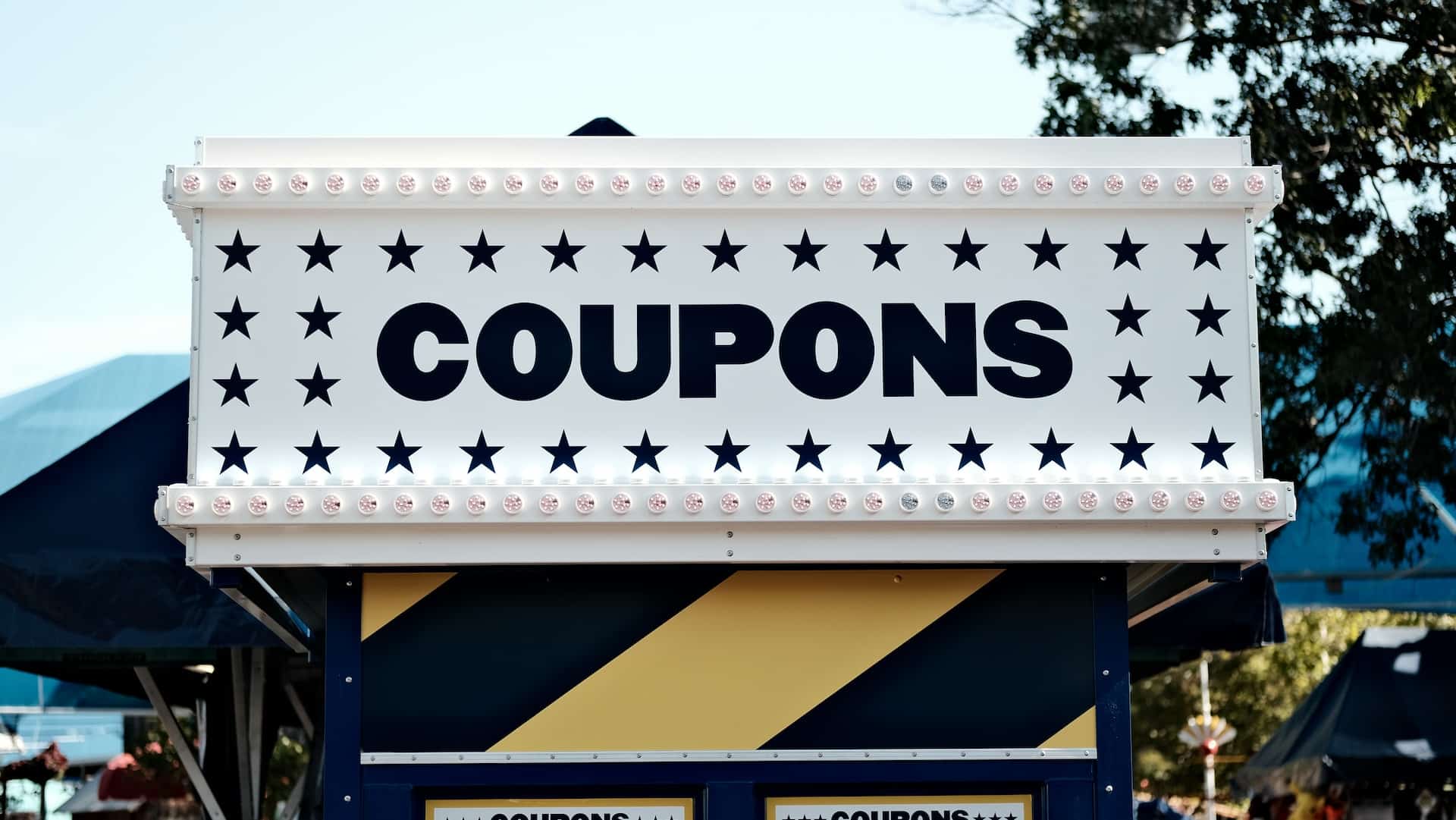
    Photo by Julia Morales on Unsplash

  • Different Types of WooCommerce Coupons

    Different Types of WooCommerce Coupons

    Introduction – Different Types of WooCommerce Coupons:
    Coupons are a powerful marketing tool that can help attract new customers, retain existing ones, and drive sales in your WooCommerce store. With WooCommerce’s built-in coupon functionality, you have a wide range of coupon types at your disposal. In this blog post, we will delve into the different types of WooCommerce coupons and explore their unique features and benefits. Understanding these coupon types will empower you to create compelling offers and maximize the effectiveness of your marketing campaigns.

    1. Percentage Discount Coupons:
      Percentage discount coupons offer customers a percentage-based discount on their purchase. You can specify the discount amount, such as 10% off or 25% off, to incentivize customers to make a purchase. This type of coupon is effective in attracting price-conscious shoppers and encouraging them to take advantage of the discount.
    2. Fixed Amount Discount Coupons:
      Fixed amount discount coupons provide customers with a specific monetary discount, regardless of the order total. For example, you can offer a $5 or $10 discount on a purchase. This type of coupon is ideal for promoting specific products or encouraging customers to spend a minimum amount to qualify for the discount.
    3. Free Shipping Coupons:
      Free shipping coupons eliminate shipping charges for customers. This type of coupon can be highly appealing, as it reduces the overall cost for customers and can incentivize them to complete their purchase. Offering free shipping coupons can also help increase average order value and drive customer satisfaction.
    4. BOGO (Buy One, Get One) Coupons:
      BOGO coupons allow customers to receive a free or discounted product when they purchase a specific item. For example, “Buy One, Get One Free” or “Buy One, Get 50% Off.” This type of coupon is effective for clearing inventory, promoting new products, or encouraging customers to try different variations or sizes of a product.
    5. Product-specific Coupons:
      Product-specific coupons provide discounts or special offers on specific products in your store. You can target specific products or product categories to promote, cross-sell, or upsell to customers. This type of coupon is useful for introducing new products, boosting sales for specific items, or rewarding loyal customers with exclusive discounts.
    6. Cart Discount Coupons:
      Cart discount coupons offer a discount based on the overall cart value, rather than individual products. You can set a minimum cart total or a specific threshold for customers to qualify for the discount. Cart discount coupons are effective in encouraging customers to add more items to their cart to reach the discount threshold.
    7. Usage-restricted Coupons:
      Usage-restricted coupons allow you to define specific rules for coupon usage. For example, you can limit the coupon to new customers only, restrict it to one-time use per customer, or set an expiration date. These coupons give you control over the distribution and utilization of the discounts, allowing you to tailor them to your marketing goals.

    Conclusion – Different Types of WooCommerce Coupons
    WooCommerce provides a diverse range of coupon types, each with its own unique benefits and use cases. By understanding the different types of coupons available, you can craft compelling offers that resonate with your target audience and drive sales in your WooCommerce store. Experiment with different coupon types to find the most effective strategies for attracting new customers, increasing customer loyalty, and boosting your store’s revenue.

    Take advantage of WooCommerce’s built-in coupon functionality and leverage the power of coupons to enhance your marketing campaigns, drive conversions, and foster a positive shopping experience for your customers.

    Note: Keep in mind that while coupons can be highly effective, it’s essential to monitor and analyze their impact on your store’s profitability. Set clear goals, track coupon performance, and adjust your coupon strategy accordingly to ensure a balanced approach that aligns with your business objectives.

    We offer WooCommerce support plans.

    Photo by Perry Merrity II on Unsplash